Skip to content
nutriKube powered by BloomKubes
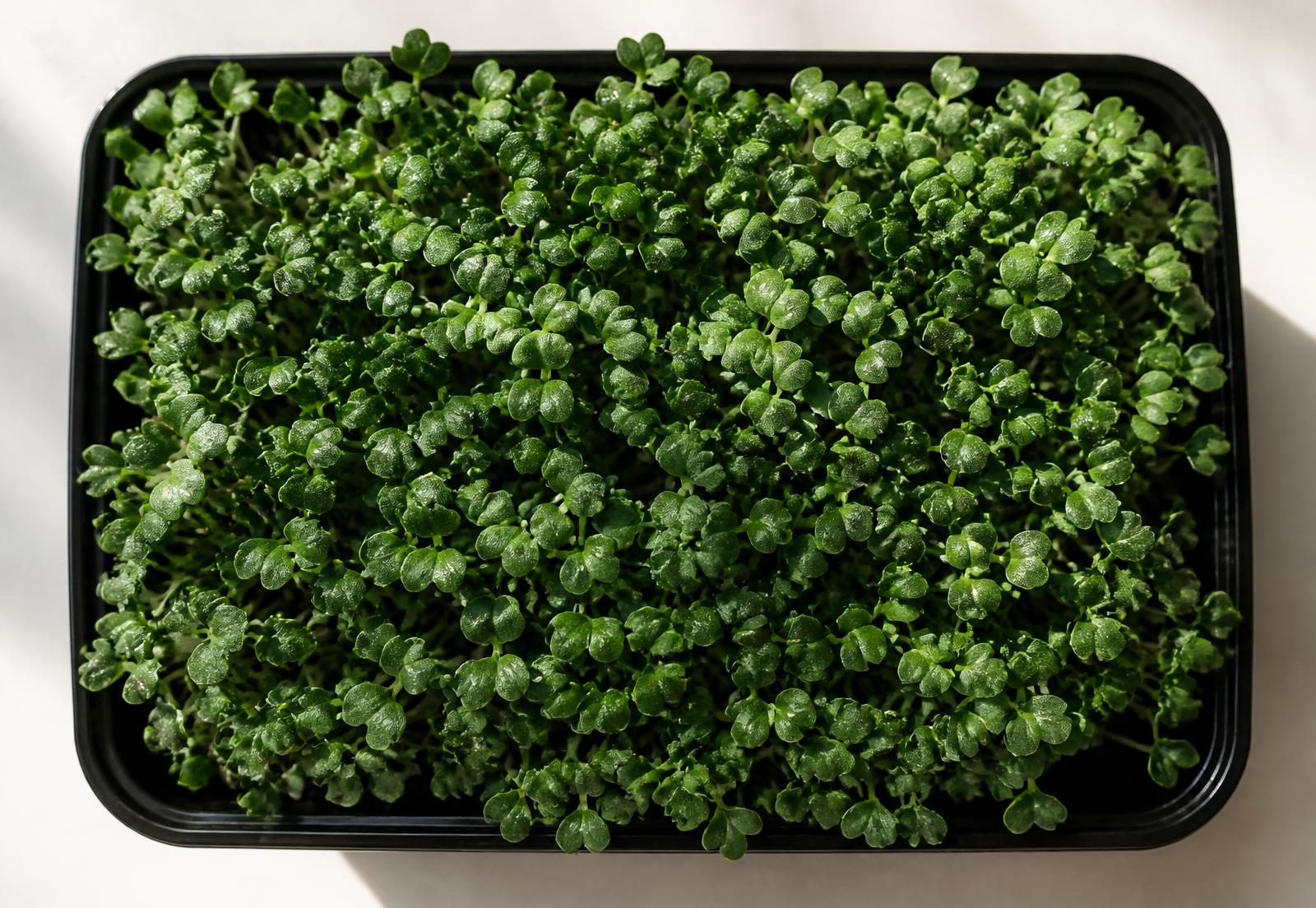
Macro view of a tray of fresh micro herbs

Micro Herbs

Small greens.
Massive impact.

Cut minutes before they are used — flavour, texture and freshness at their peak.

Grown inside the Kube

What grows inside a nutriKube.

13 heirloom micro herb varieties from Koppert Cress — live-harvested at peak potency, each chosen for its flavour, colour and functional benefits.

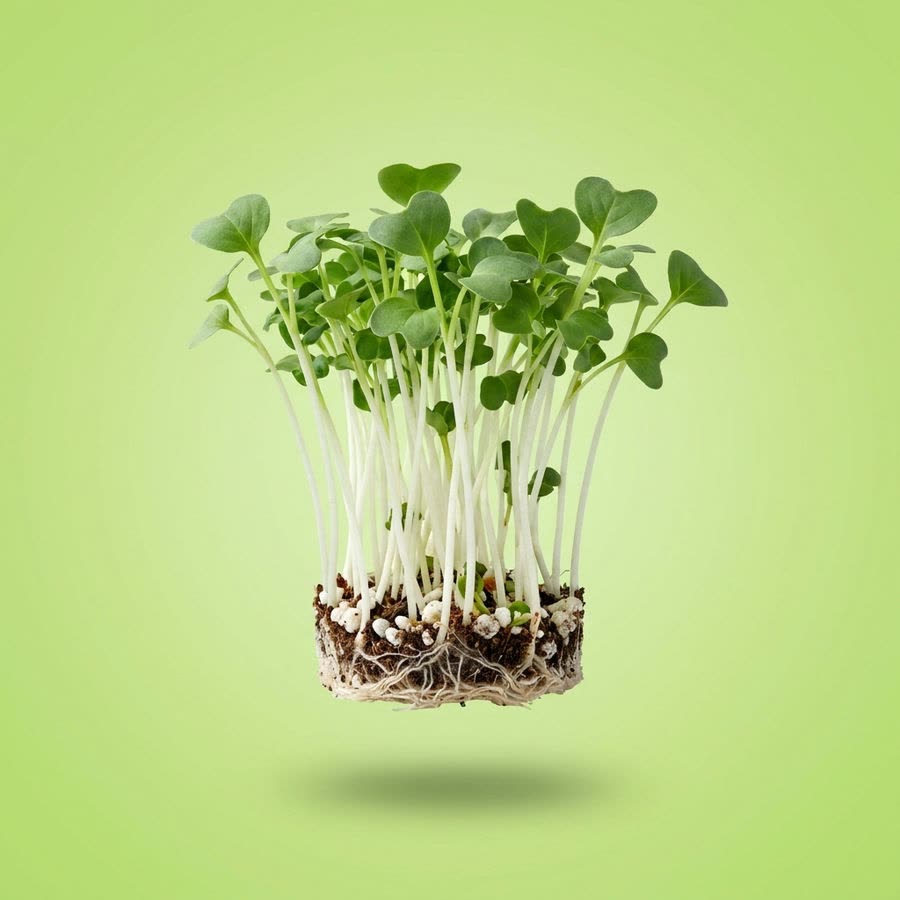
Macro photograph of BroccoCress®

01

BroccoCress®

Mild, slightly bitter young broccoli.

A clean, green note that works across smoothies and savoury serves without overpowering other ingredients.

  • Naturally contains glucoraphanin, the precursor to sulforaphane.
  • Provides vitamin C and plant polyphenols.
  • Human research shows sulforaphane can be absorbed after eating broccoli micro herbs, although absorption varies.
The science

Broccoli micro herbs are among the better-studied young greens. Their glucoraphanin can be converted into sulforaphane, a plant compound studied for antioxidant and cell-protective activity.

  • Glucoraphanin
  • Sulforaphane
  • Vitamin C
  • Polyphenols

Evidence note: Direct human evidence is promising but still limited to small studies; this is nutritional context, not a treatment claim.

Pairs with

  • Smoked fish
  • Stir-fries
  • Sandwiches
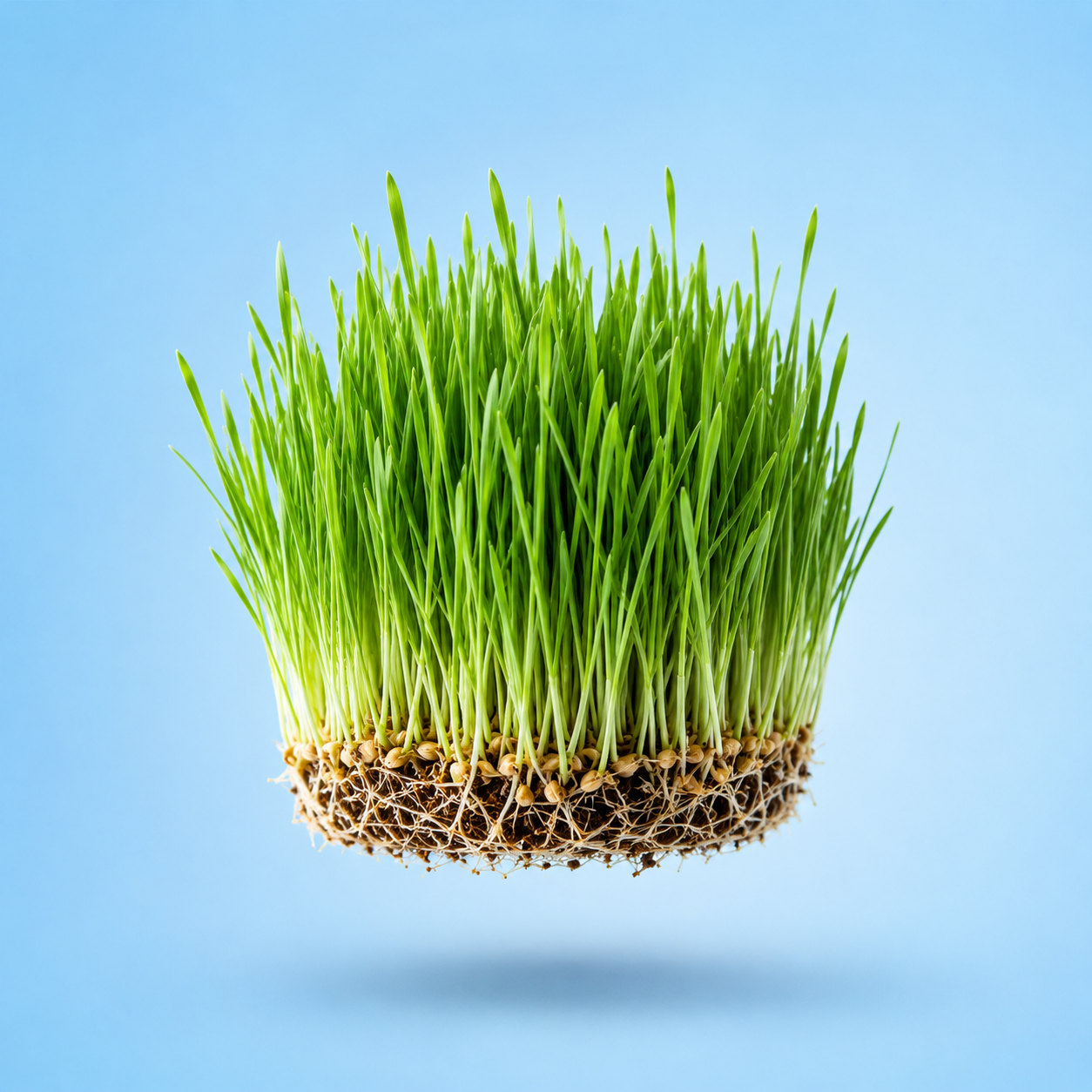
Macro photograph of Wheatgrass

02

Wheatgrass

Sweet, grassy and alkalising.

Cut fresh and pressed within minutes — a classic base for concentrated wellness serves.

  • Contains chlorophyll and naturally occurring antioxidant compounds.
  • Provides vitamin C, vitamin E, minerals and plant polyphenols.
  • Laboratory studies show antioxidant activity in wheatgrass extracts.
The science

Wheatgrass is nutrient-dense, with chlorophyll, vitamins, minerals and phenolic compounds. Most evidence for its antioxidant activity comes from laboratory and animal research rather than large human trials.

  • Chlorophyll
  • Flavonoids
  • Vitamin C
  • Vitamin E

Evidence note: Fresh wheatgrass, juice and powders are not interchangeable in research; well-controlled human studies remain limited.

Pairs with

  • Juices
  • Smoothies
  • Shots
Macro photograph of Chilli Cress

03

Chilli Cress

Hot, radishy and spicy.

A gentle lift of warmth that gives refreshers and savoury plates definition.

  • Mustard-family cresses are natural sources of glucosinolates.
  • Typically provide vitamin C and antioxidant plant compounds.
  • Its peppery flavour adds intensity without relying on extra sugar or salt.
The science

Chilli Cress is described as a mustard-like cress rather than a chilli pepper. Its nutritional story therefore aligns with Brassica-family glucosinolates, not capsaicin.

  • Glucosinolates
  • Vitamin C
  • Polyphenols

Evidence note: Research specific to the branded cress is scarce, so these points reflect the wider Brassica micro herb evidence base.

Pairs with

  • Cold salads
  • Hot fatty dishes
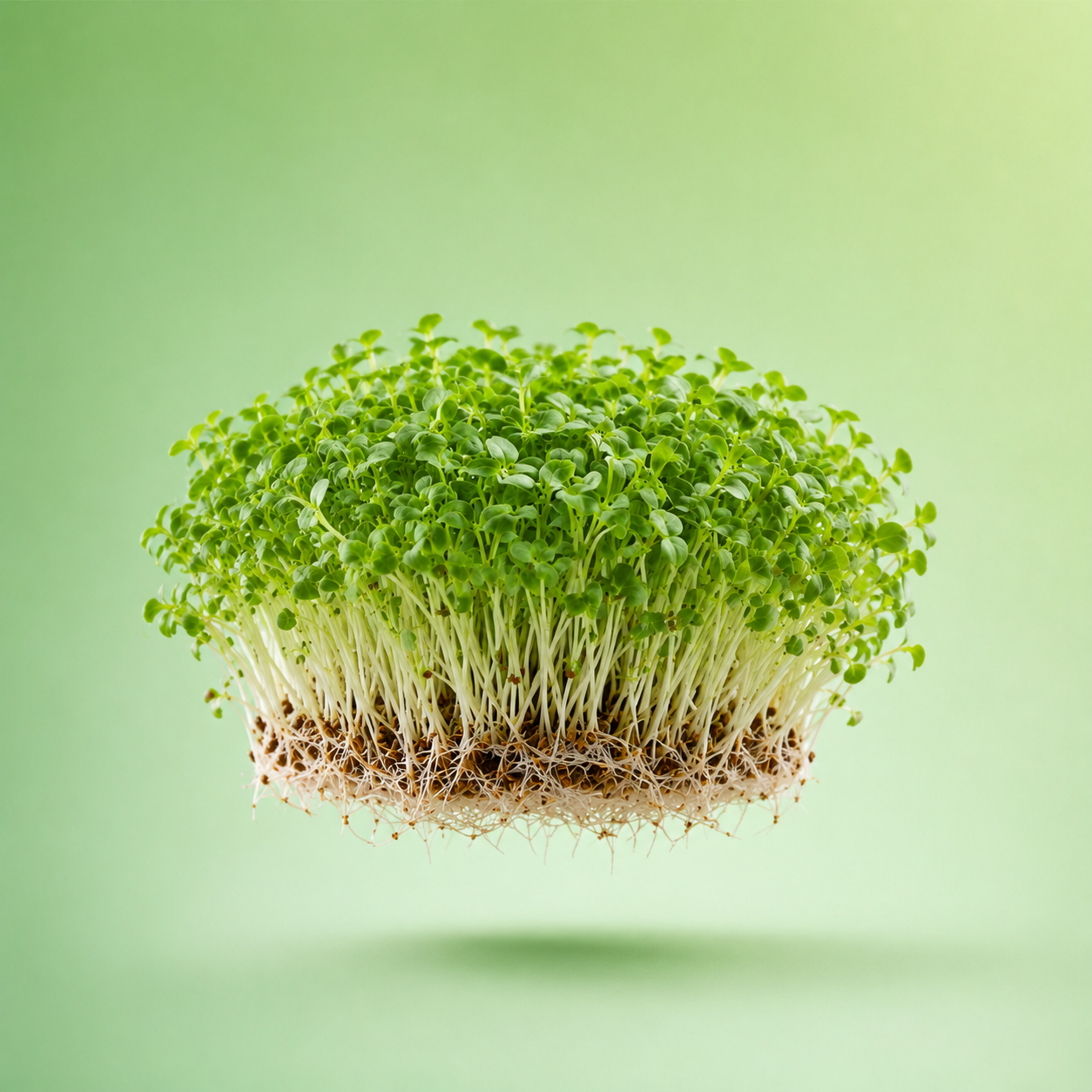
Macro photograph of Chia Cress

04

Chia Cress

Mild, nutty greens with a fresh finish.

Delicate texture and a soft nutty finish — ideal as a visible garnish at the wellness bar.

  • Chia seed is known for plant omega-3 ALA, fibre and minerals.
  • Sprouting creates a fresh green with delicate texture and plant compounds.
  • A simple way to add variety, flavour and visual freshness to a serve.
The science

Chia seed has been widely studied for ALA omega-3, fibre, minerals and polyphenols. Research directly measuring these compounds or health outcomes in fresh chia cress is not yet established.

  • ALA omega-3
  • Fibre
  • Calcium
  • Polyphenols

Evidence note: The available human evidence relates mainly to chia seed, not the young cress, so no seed-level benefit is implied for this serving.

Pairs with

  • Energy Bites
  • Refreshers
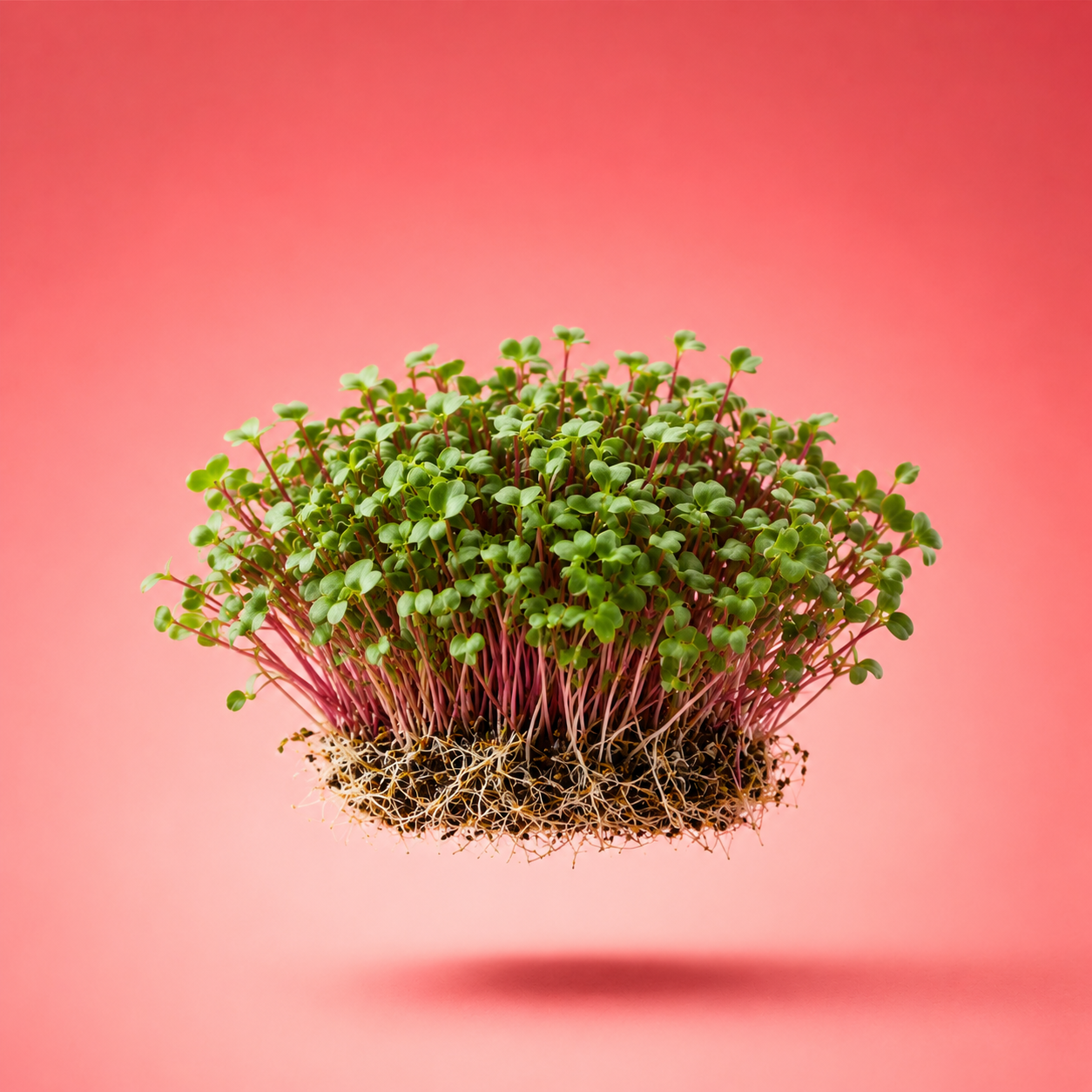
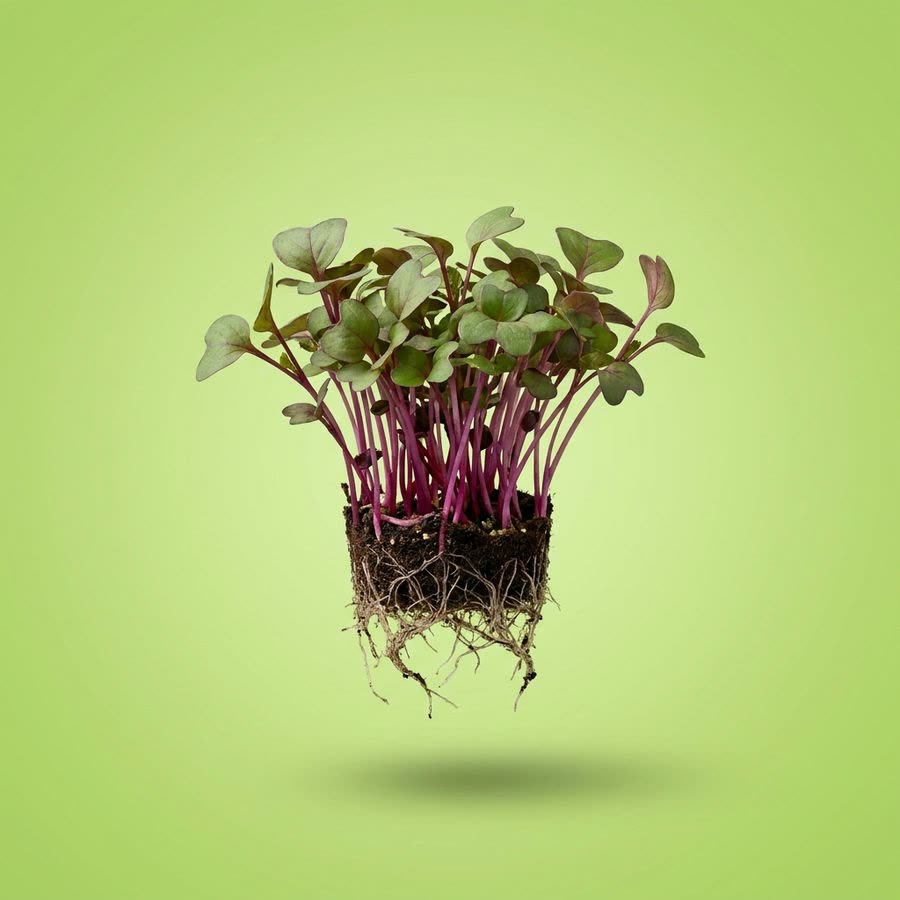
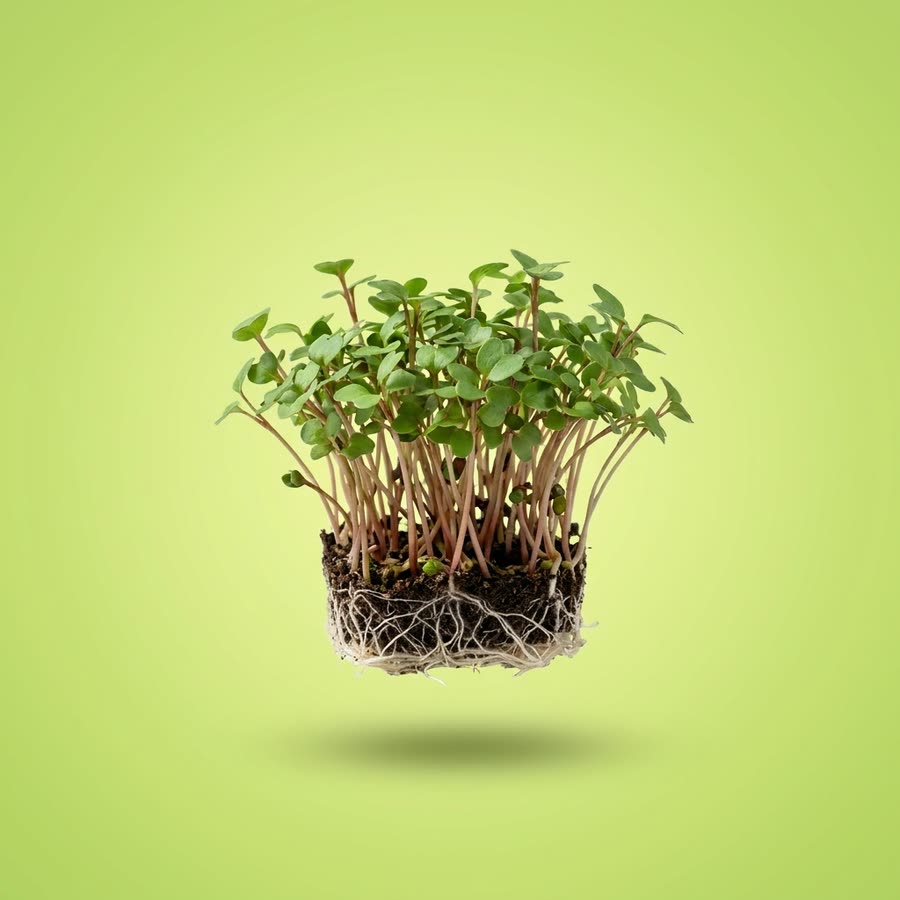
Macro photograph of Sakura Cress®

05

Sakura Cress®

Radish-like bite, vivid red leaves.

Anthocyanin-rich and anti-inflammatory; its deep-red leaves brighten fatty dishes beautifully.

Pairs with

  • Steak tartare
  • Tuna
  • Cold dishes
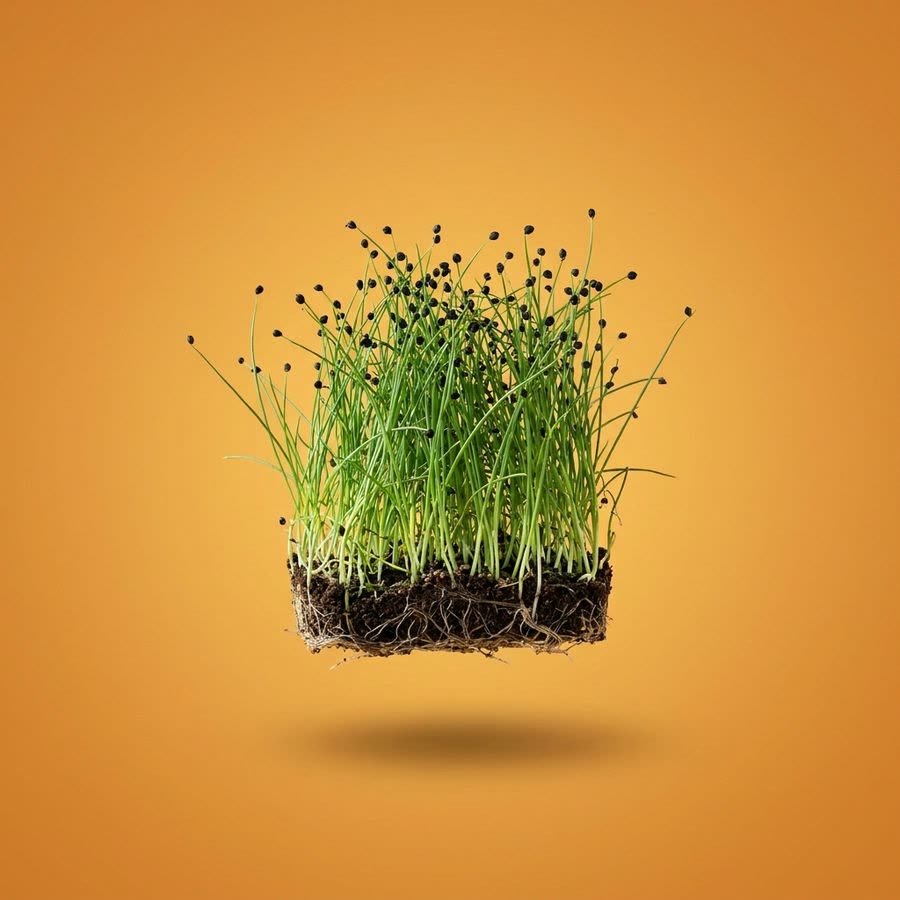
Macro photograph of Rock Chives®

06

Rock Chives®

Delicate garlic with a crisp pod.

Loaded with vitamins A, B-complex, C, E & K plus copper and manganese; seed-pod crisps when heated.

Pairs with

  • Herb butter
  • Tzatziki
  • Fish & meat
Macro photograph of Adji Cress

07

Adji Cress

Citrus-peppery and aromatic.

A Japanese peppertree seedling used in herbal medicine for cooling and blood-oxygenation properties.

Pairs with

  • Crustaceans
  • Fish
  • Poultry
Macro photograph of Daikon Cress®

08

Daikon Cress®

Sharp, clean radish heat.

Rich in vitamins A, B2 and C plus calcium — a sharp, clean radish heat for raw fish.

Pairs with

  • Sashimi
  • Raw fish
  • Salads
Macro photograph of Atsina Cress

09

Atsina Cress

Japanese peppertree seedling.

From Japan, where the leaves and berries of the mature peppertree are used in many dishes.

Pairs with

  • Fine-dining garnish
Macro photograph of Affilla Cress®

10

Affilla Cress®

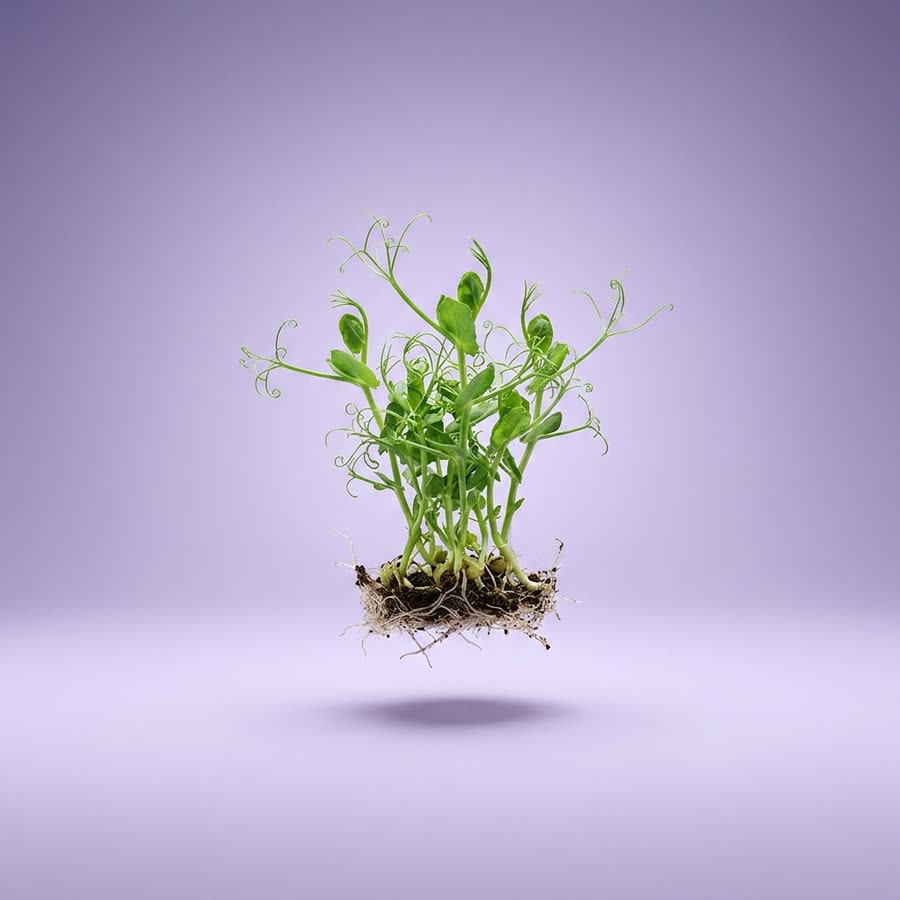
Sweet, fresh-pea tendrils.

A full five-taste profile with biotin, copper, selenium, B-vitamins and vitamin C.

Pairs with

  • Steaming
  • Stir-fry
  • Breading
Macro photograph of Basil Cress

11

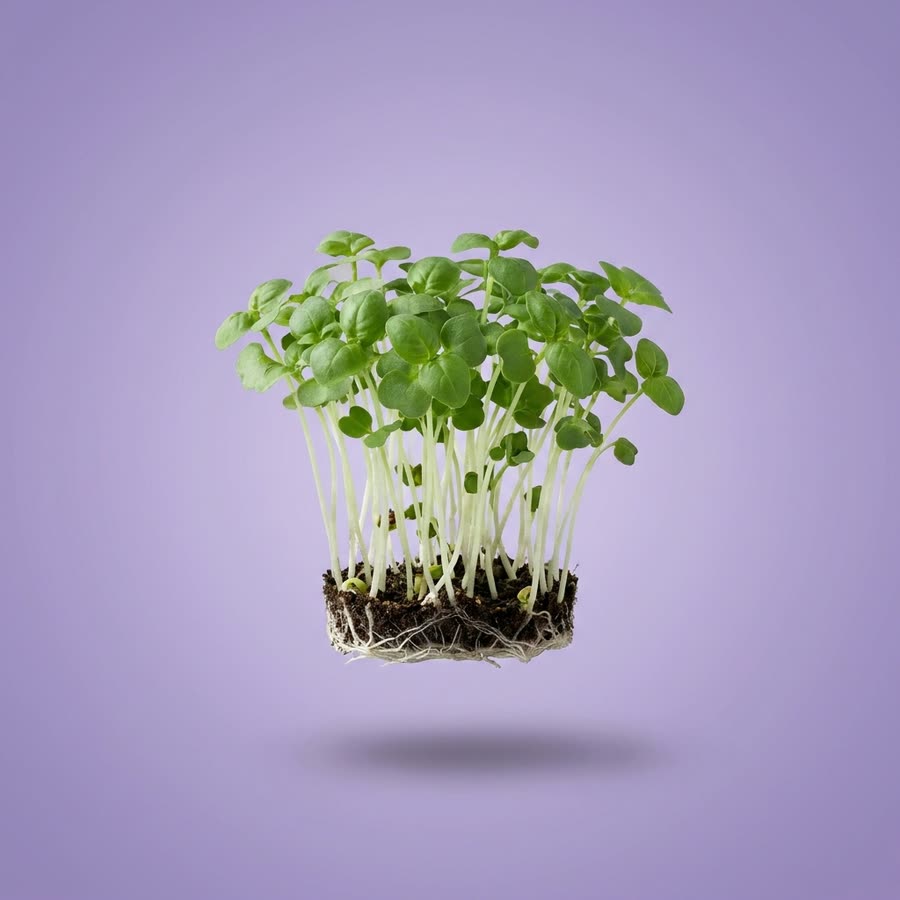
Basil Cress

Aromatic basil with clove notes.

Natural basil flavour with mild clove notes; a source of iron, riboflavin, vitamin C and calcium.

Pairs with

  • Pasta
  • Oils
  • Marinades
Macro photograph of Borage Cress

12

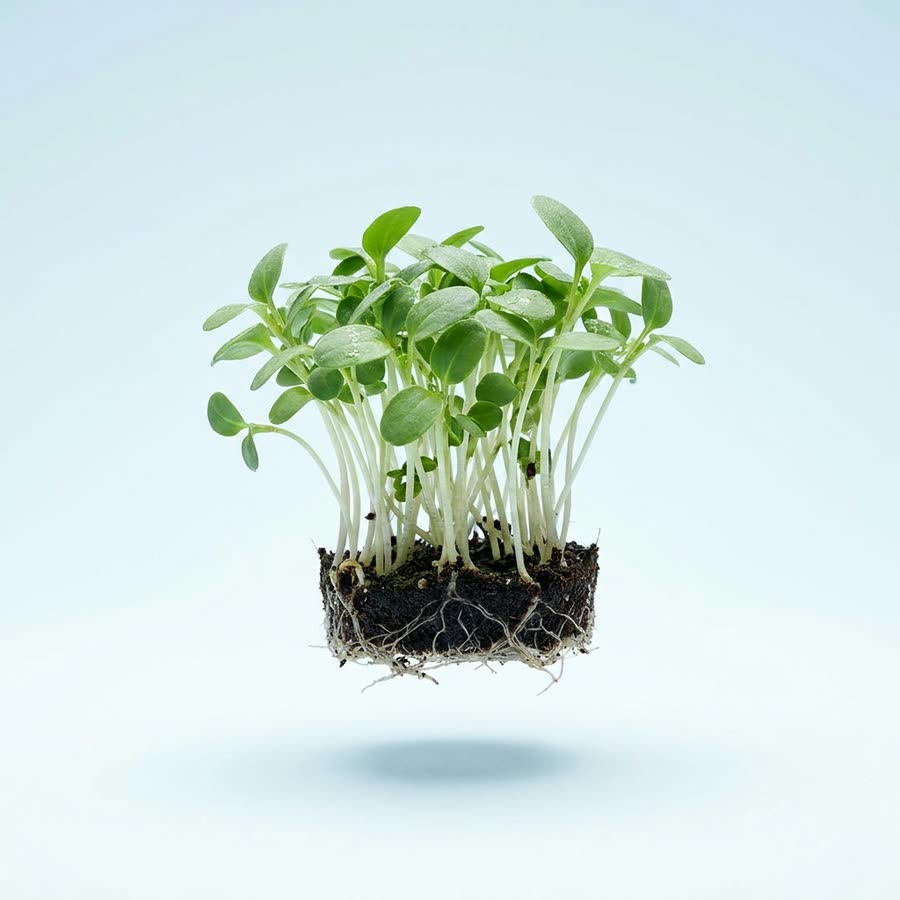
Borage Cress

Refreshing, oyster-like salinity.

A clean, refreshing taste with salty, oyster-like notes and a natural source of calcium.

Pairs with

  • Deep-frying
  • Oils
  • Pickling
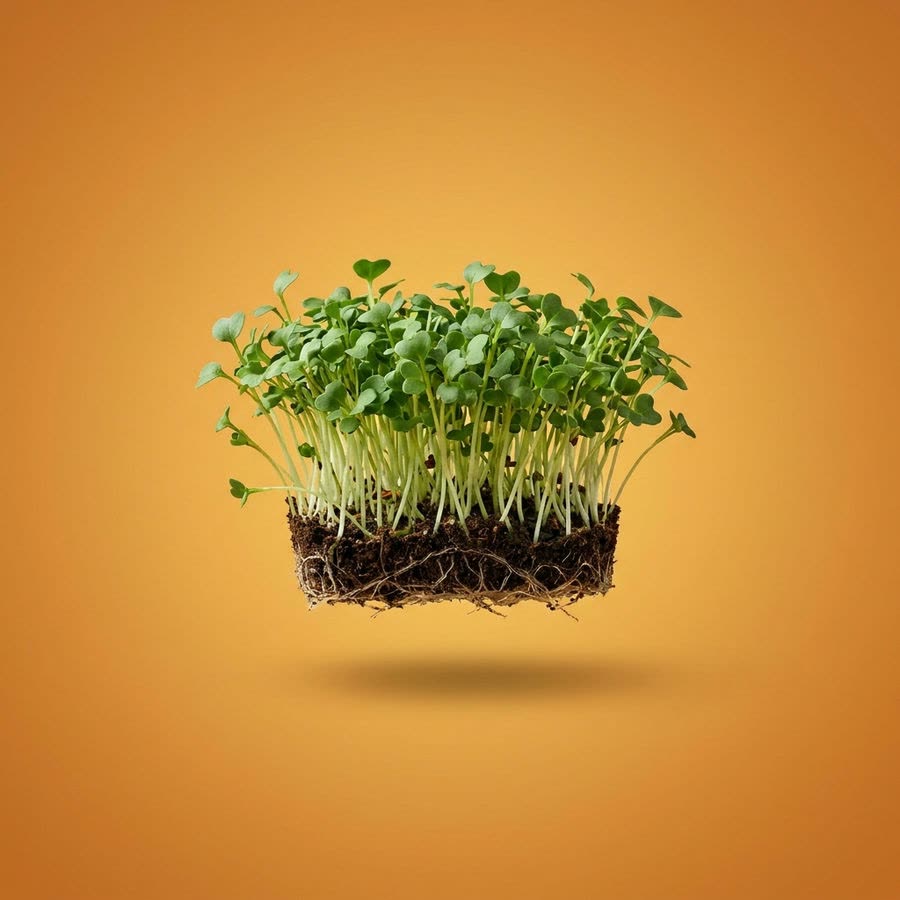
Macro photograph of Garden Cress

13

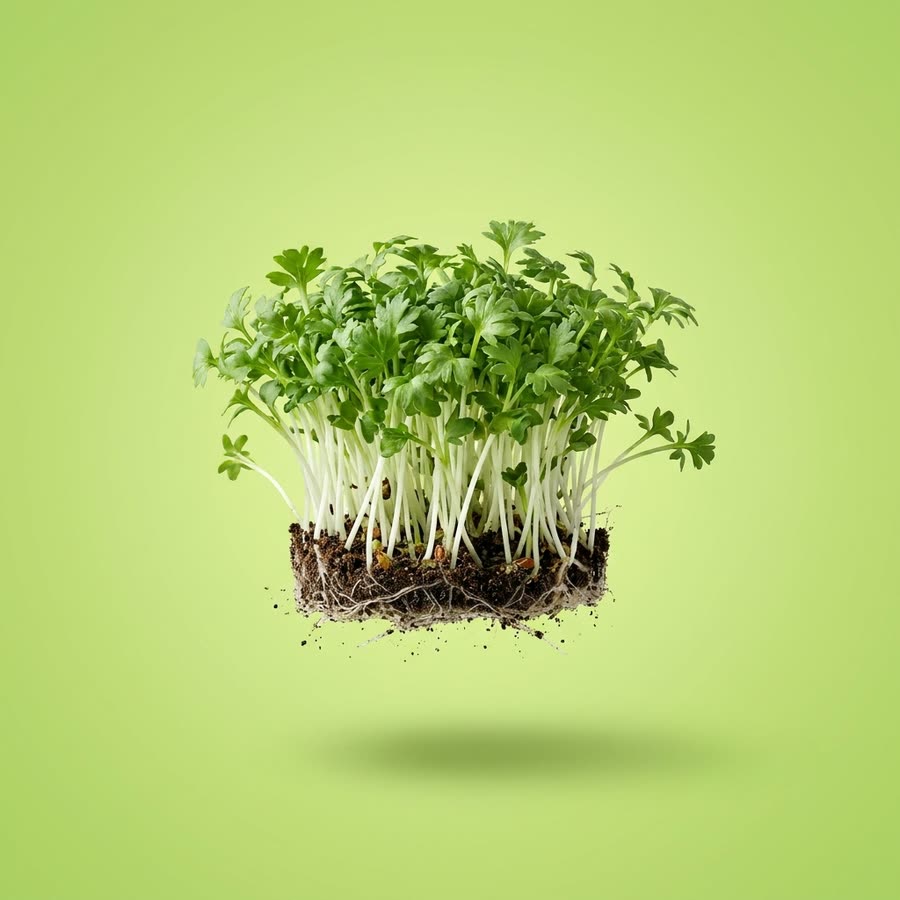
Garden Cress

Bright, peppery bite.

The classic peppery cress — vitamin- and mineral-rich and endlessly versatile.

Pairs with

  • Sandwiches
  • Soups
  • Garnish